
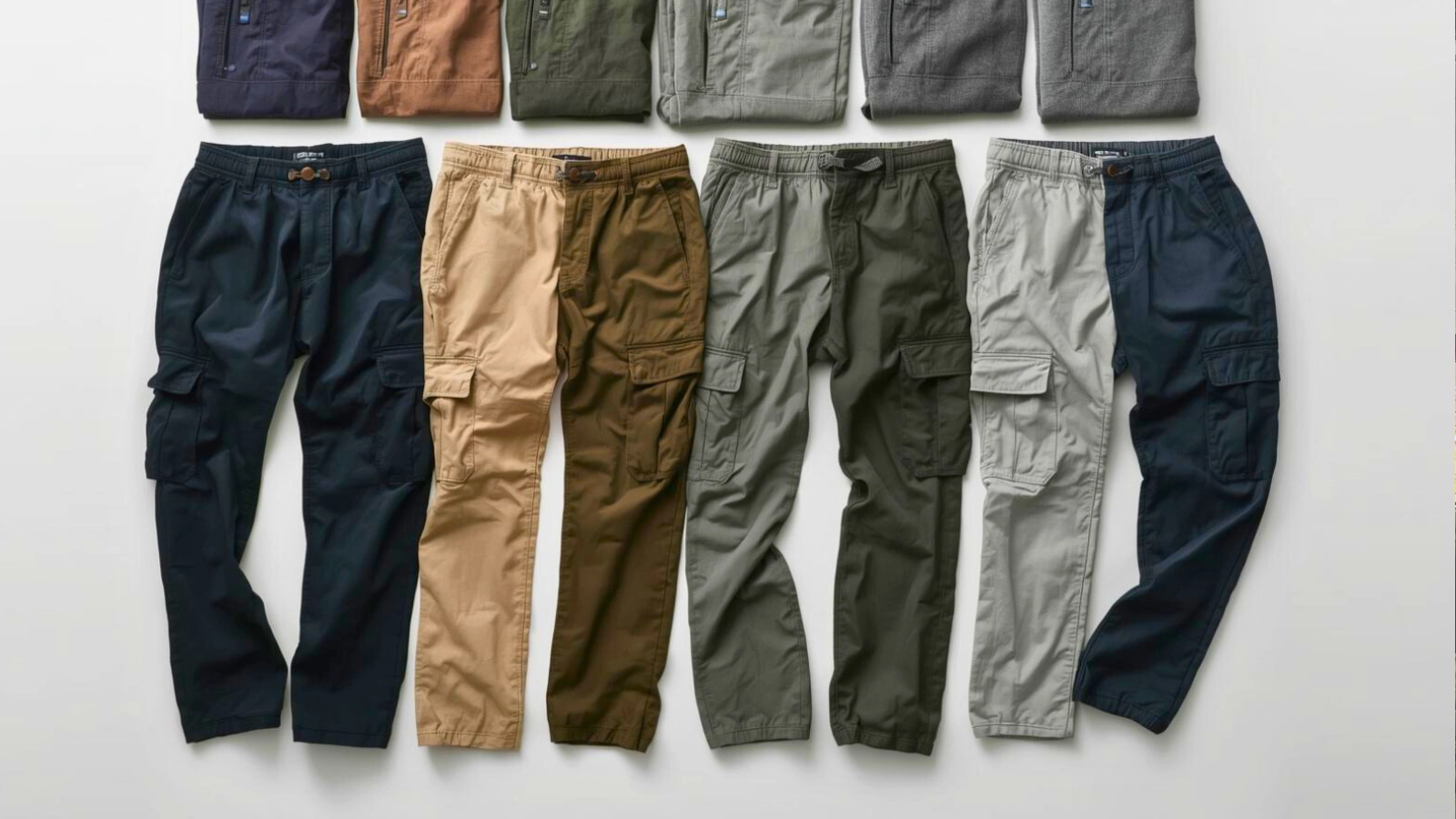
Cargo pants are one of the most common items in wholesale and retail programs. They are used across workwear, casual, and utility markets, and they often become repeat-order products once demand is stable.
For wholesale buyers and distributors, the challenge is not finding cargo pants—it is choosing the right version of cargo pants that can sell well, reorder smoothly, and avoid inventory problems.
This article explains how brands and wholesale buyers usually evaluate cargo pants before placing wholesale orders, especially during early cooperation or market testing stages.
Why Cargo Pants Require Careful Wholesale Decisions
Unlike seasonal fashion items, cargo pants are often sold continuously. That means early choices—such as fabric, fit, and construction—can affect not only the first order, but also future reorders.
Many wholesale buyers run into problems not because the product looks bad, but because:
- the fabric changes between batches
- the sizing causes returns
- the design is too complex to reorder consistently
Choosing cargo pants for wholesale is less about trends and more about stability.
1. Start with Market Use, Not Style Preferences
Before selecting any cargo pants, brands usually start by defining how the product will be used.
Cargo pants can serve different wholesale markets:
- Workwear: durability and comfort matter more than style
- Casual retail: fit and appearance matter more
- Utility or outdoor crossover: balance between function and comfort
A common mistake in wholesale orders is choosing cargo pants based only on appearance. What looks good on a model may not always perform well in real use or repeat sales.
Understanding the end market first helps reduce risk later.
2. Fabric Choice: Stability Matters More Than Innovation
For wholesale cargo pants, fabric selection is one of the most important decisions.
Common fabrics include:
- Cotton twill
- Poly-cotton blends
- Stretch fabrics for added comfort
While new or special fabrics may sound attractive, wholesale buyers often prefer fabrics that are:
- easy to reproduce
- stable in cost
- consistent for reorders
For first wholesale orders, simpler and proven fabrics usually make more sense. They reduce production risk and make future replenishment easier.
3. Fit and Sizing: Reducing Returns and Inventory Problems
Sizing issues are one of the biggest challenges in wholesale programs.
When choosing cargo pants, brands often consider:
- regular fit vs slim fit vs relaxed fit
- size ranges suitable for the target region
- clear and consistent size charts
Poor sizing decisions can lead to returns, slow sell-through, or unbalanced inventory. A clear sizing strategy helps distributors and retailers manage stock more efficiently.
4. Functional Details: What Adds Value—and What Adds Risk
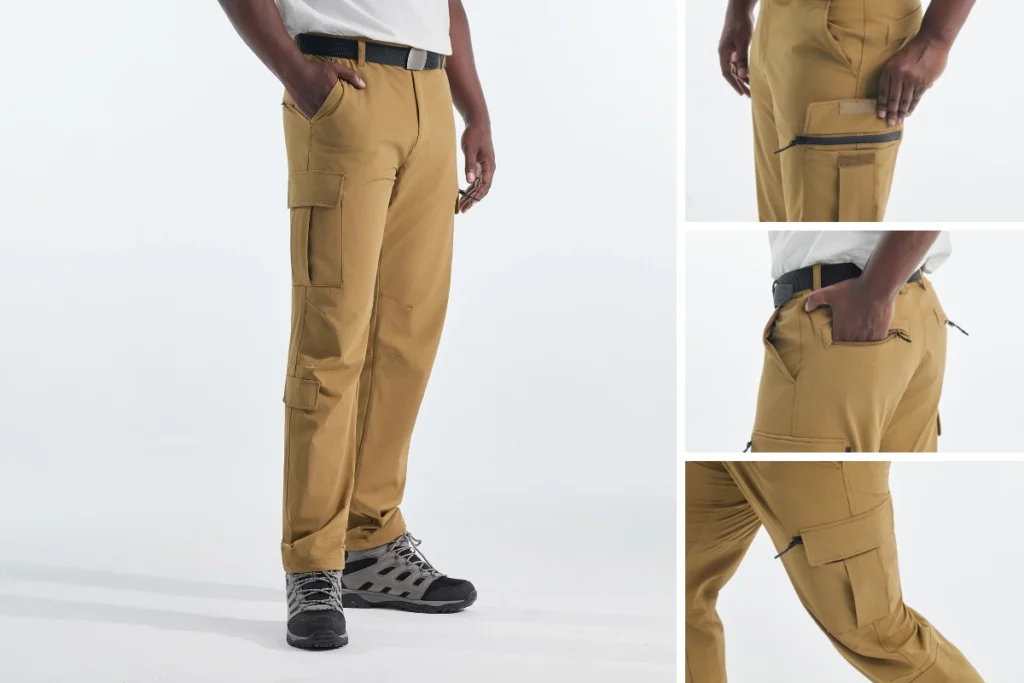
Cargo pants are known for functional details, but more features do not always mean better wholesale performance.
Common functional elements include:
- cargo pocket layout
- reinforced seams
- waistband structure
However, over-designed cargo pants may increase cost without improving sales. For wholesale programs, practical and familiar features usually perform better than complex or highly customized designs.
Keeping the design simple also makes reordering easier.
5. Stock Cargo Pants vs Custom Programs
Wholesale buyers usually choose between two paths:
- Ready-stock cargo pants
- Custom cargo pants programs
For first cooperation or market testing, many brands start with stock styles. This allows them to:
- test demand
- reduce upfront risk
- move faster
Once sales are stable, customization may become more practical. In many cases, wholesale programs start simple and gradually move toward custom development.
6. MOQ, Lead Time, and Reorder Planning
When sourcing cargo pants wholesale, operational factors matter as much as product design.
Key considerations include:
- reasonable MOQ for the first order
- lead time that fits inventory planning
- consistency for repeat orders
In wholesale programs, stable reordering is often more valuable than the lowest initial price. Buyers usually benefit from planning with long-term supply in mind.
7. Common Mistakes Wholesale Buyers Make
Some common mistakes seen in cargo pants wholesale orders include:
- ordering too many colors or sizes at once
- over-customizing before understanding demand
- ignoring fabric consistency for future reorders
Avoiding these mistakes helps brands control inventory risk and build smoother supplier relationships.
8. Choosing the Right Supplier for Wholesale Cargo Pants
For wholesale cargo pants, the supplier relationship matters as much as the product itself.
Buyers usually look for suppliers that offer:
- stable production capability
- clear communication
- support for repeat orders
Long-term cooperation often leads to better consistency, smoother reorders, and fewer operational issues.
Making Smarter Cargo Pants Wholesale Decisions
Successful cargo pants wholesale programs are built on clear planning, stable specifications, and realistic expectations.
Instead of focusing on complex designs or short-term trends, many brands achieve better results by choosing cargo pants that are easy to produce, easy to reorder, and suitable for long-term sales.
Careful decisions at the beginning help reduce risk and support sustainable wholesale growth.